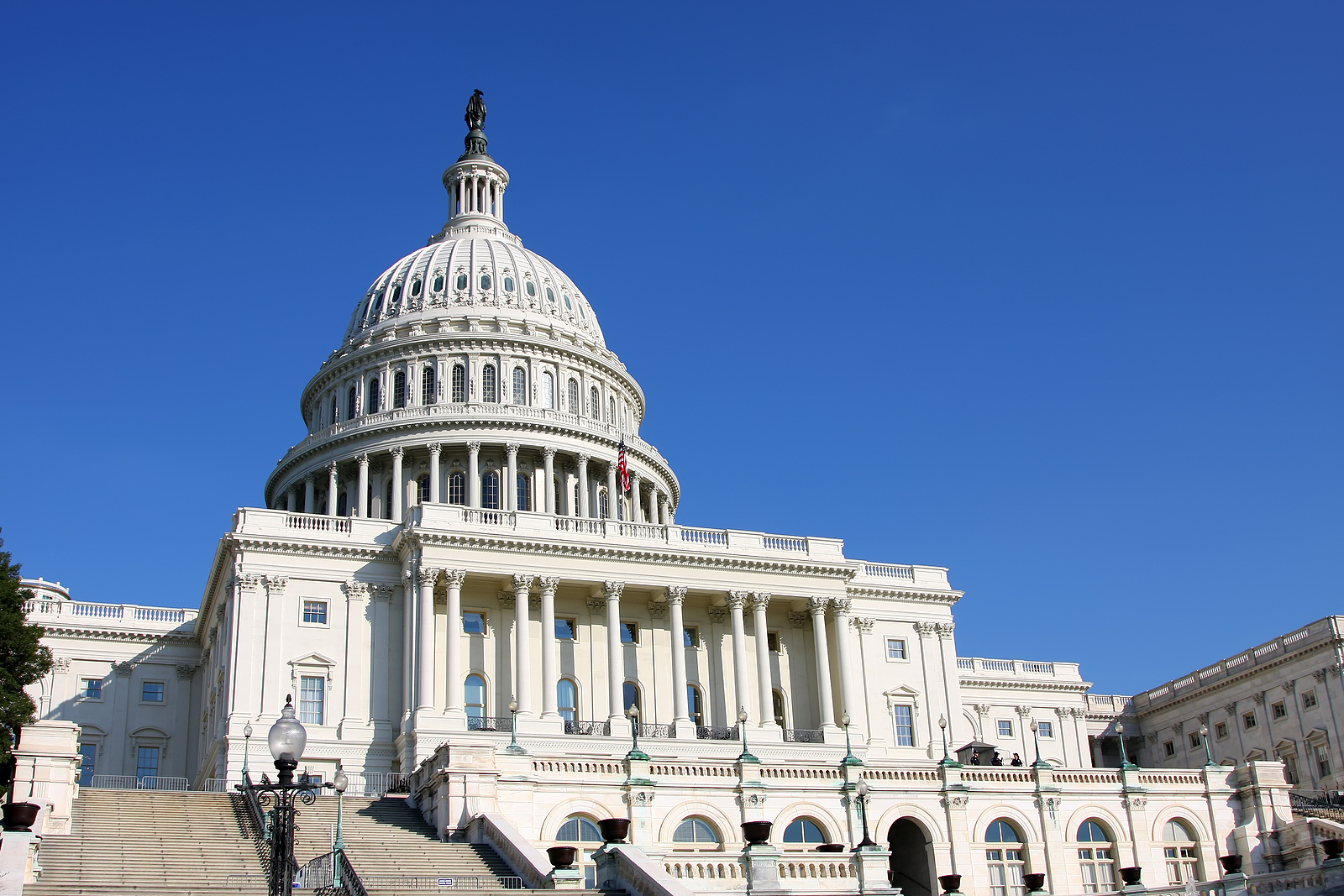
The decision to go to war in the United States is a complex process involving multiple branches of government. Primarily, the Constitution grants Congress the power to declare war. This legislative body holds significant influence over military engagements, as it allocates funding and can impose limits on military action.
However, the President, as the Commander-in-Chief of the Armed Forces, plays a crucial role in initiating military action. Historically, presidents have often engaged in military actions without a formal declaration of war, citing the need for rapid response to threats. This has led to debates about the balance of power between Congress and the executive branch.
The War Powers Resolution of 1973 aims to clarify this balance, requiring the President to notify Congress within 48 hours of deploying troops and limiting military action to 60 days without Congressional approval. Yet, the effectiveness and adherence to this resolution remain contentious.
Public opinion also significantly impacts decisions on war. Leaders often consider how military action will be received domestically to maintain political support. Ultimately, the decision to go to war is a multifaceted process influenced by legal, political, and social factors, reflecting the ongoing tug-of-war between authority and accountability in American governance.
For more details and the full reference, visit the source link below: