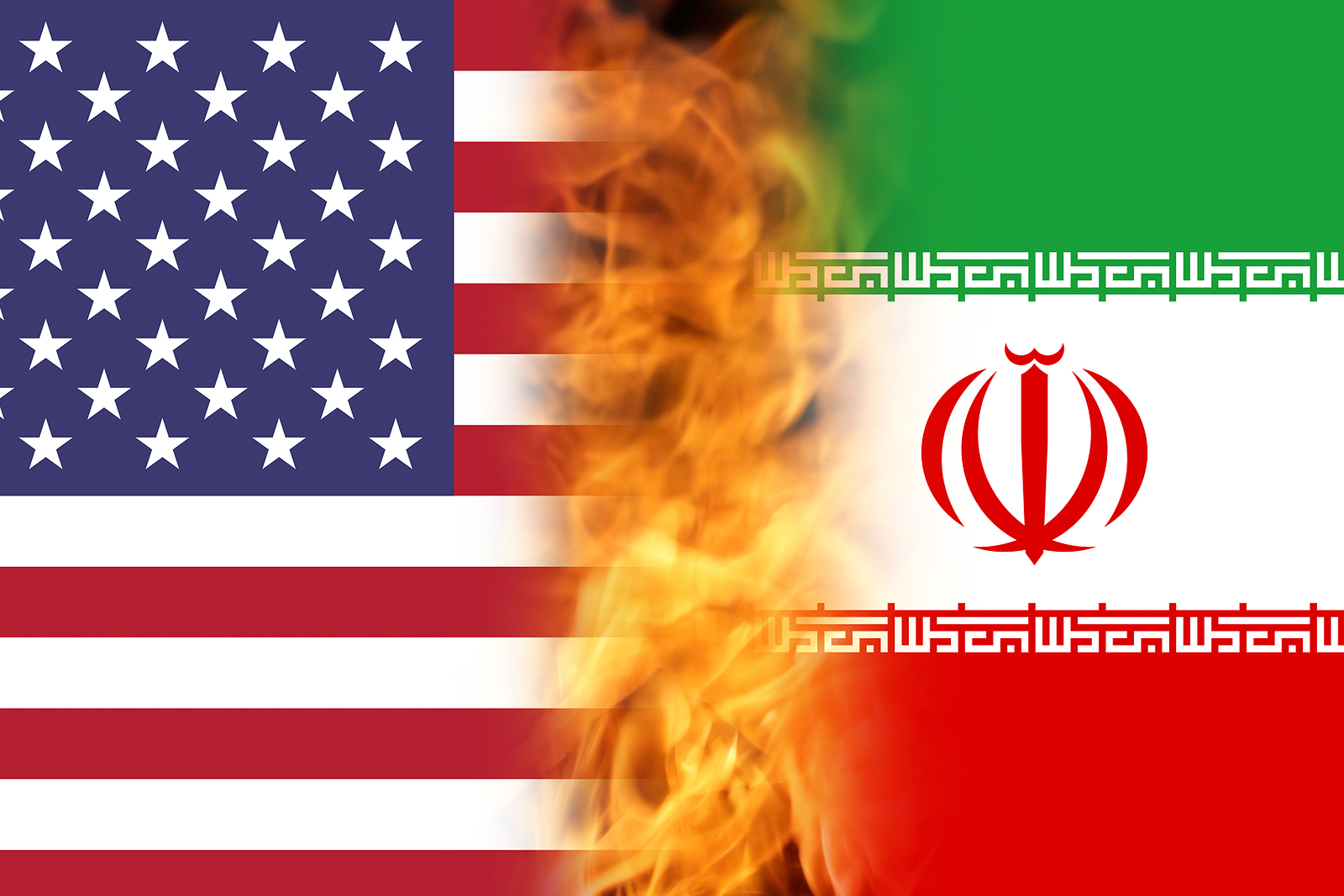
As tensions rise in the Strait of Hormuz, a critical maritime artery for global oil transportation, calls for a ceasefire are intensifying. This strategic waterway, where approximately one-fifth of the world’s oil passes, has become a focal point for geopolitical conflict, particularly involving Iran and its neighboring countries. Recent military maneuvers and provocative rhetoric have heightened fears of potential clashes, prompting nations dependent on this route to advocate for de-escalation.
Diplomatic efforts are under pressure as the stakes climb, with various countries urging Iran to adhere to international norms while safeguarding their interests in the region. The U.S. and its allies have expressed concerns over shipping security and freedom of navigation, leading to increased naval deployments aimed at deterring aggressive actions.
In this fraught atmosphere, the call for a ceasefire is not just about avoiding immediate conflict; it’s also a bid for stability in the region. Any disruption in the Strait of Hormuz could have catastrophic effects on global oil prices and economic stability. As negotiations continue, the international community watches closely, hoping that diplomacy will prevail over military posturing. A delicate balance must be struck to ensure peace and safeguard vital trade routes essential for the world’s energy supply.
For more details and the full reference, visit the source link below: