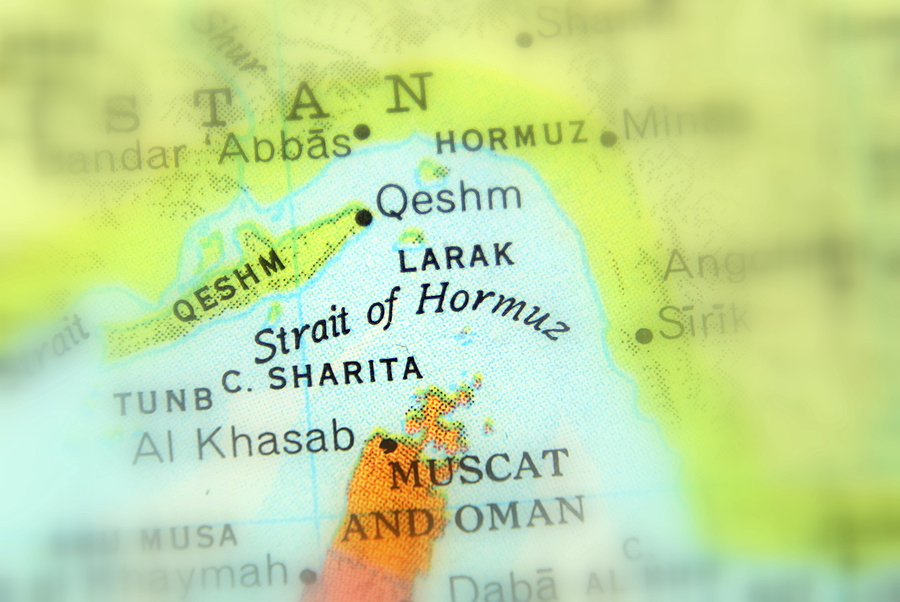
The Strait of Hormuz, a narrow passage between Oman and Iran, has emerged as one of the most strategically vital locations globally, primarily due to its critical role in the transportation of oil. As the gateway to the Persian Gulf, it serves as a maritime chokepoint through which approximately 20% of the world’s oil supply passes. The strait spans roughly 21 miles (33 kilometers) at its narrowest point, making it a key area for shipping routes, especially for oil tankers.
Historically, the importance of the Strait of Hormuz has been accentuated by geopolitical tensions in the region. The discovery of vast oil reserves in Iran, Iraq, and Saudi Arabia during the 20th century transformed the strait into a focal point for international energy security. Various political disputes and military confrontations have underscored the vulnerability associated with this critical corridor, prompting global powers to monitor events closely.
Moreover, the strait’s economic significance extends beyond oil, impacting global markets and energy prices. Any disruptions, whether due to tensions or natural disasters, resonate worldwide, highlighting the interconnectedness of today’s global economy. Thus, the Strait of Hormuz remains a vital artery for trade and energy, cementing its position as a key player in international relations and maritime navigation.
For more details and the full reference, visit the source link below: