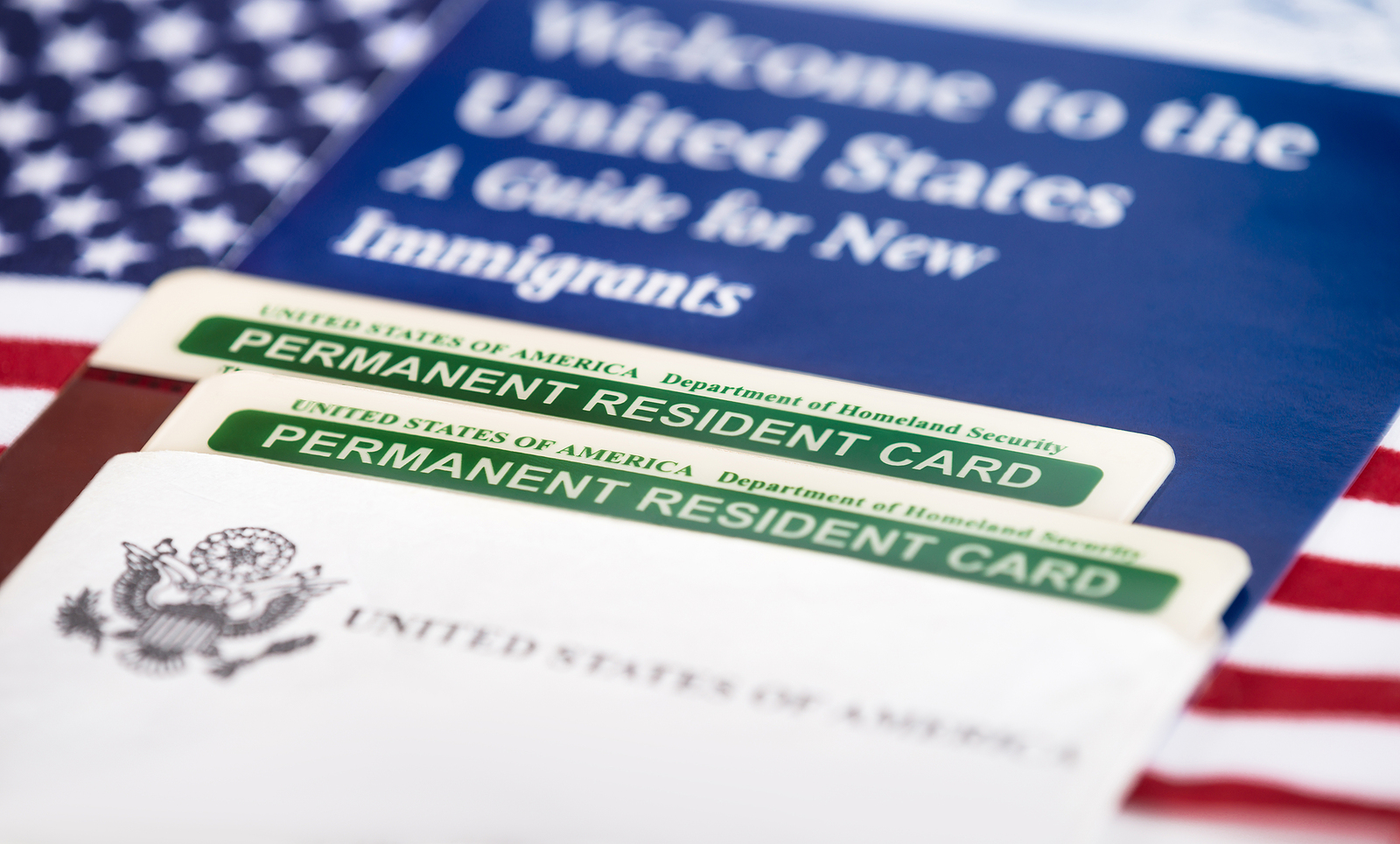
The Trump administration made significant changes to the U.S. immigration system, including a shift in green card processing from domestic locations to foreign consulates. This decision aimed to streamline and expedite the immigration process by managing applications outside of the U.S. The primary rationalization was to reduce the burden on domestic processing centers, which had been overwhelmed with applications.
By relocating the processing of certain green card applications abroad, the administration intended to target specific markets, facilitating a more efficient review system. Prospective immigrants would go through interviews and background checks at U.S. consulates in their home countries, potentially speeding up the approval timeline. However, this move faced criticism for creating barriers for applicants, particularly those in countries with limited access to U.S. diplomatic missions or those without established infrastructure to support such processes.
Moreover, critics argued that this shift could exacerbate delays and complications, particularly for families seeking to reunite. The change reflected broader themes of the Trump administration’s approach to immigration, which often focused on enforcement and reducing the number of immigrants entering the country. As the policy landscape continues to evolve, the long-term implications of these shifts remain a topic of ongoing debate and analysis within the immigration reform discourse.
For more details and the full reference, visit the source link below: