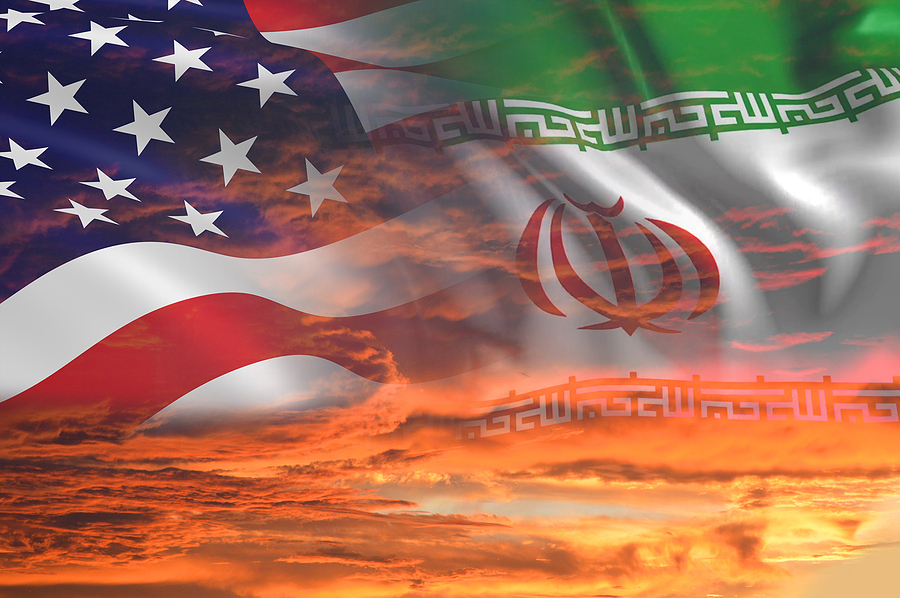
The U.S. and Iran are not officially at war, but tensions remain high and have been marked by a series of proxy conflicts and military confrontations. Following the U.S. withdrawal from the Joint Comprehensive Plan of Action (JCPOA) in 2018, relations deteriorated sharply, with both countries engaging in actions that heightened hostilities. The assassination of Iranian General Qassem Soleimani by a U.S. drone strike in early 2020 further escalated tensions, leading Iran to retaliate with missile attacks on U.S. bases in Iraq.
While full-scale war has not broken out, skirmishes, cyberattacks, and naval confrontations in the Persian Gulf continue to define the relationship. Additionally, both nations are involved in broader regional conflicts, with Iran supporting militant groups in Iraq, Syria, and Yemen, while the U.S. maintains alliances with regional rivals, including Saudi Arabia and Israel.
Diplomatic efforts to ease tensions have seen intermittent progress, but mutual distrust complicates negotiations. The Biden administration has expressed interest in reviving the nuclear deal, yet substantial obstacles remain. In short, while the U.S. and Iran are not officially at war, their relationship is characterized by ongoing hostilities and a precarious balance that could shift toward conflict if not managed carefully.
For more details and the full reference, visit the source link below: