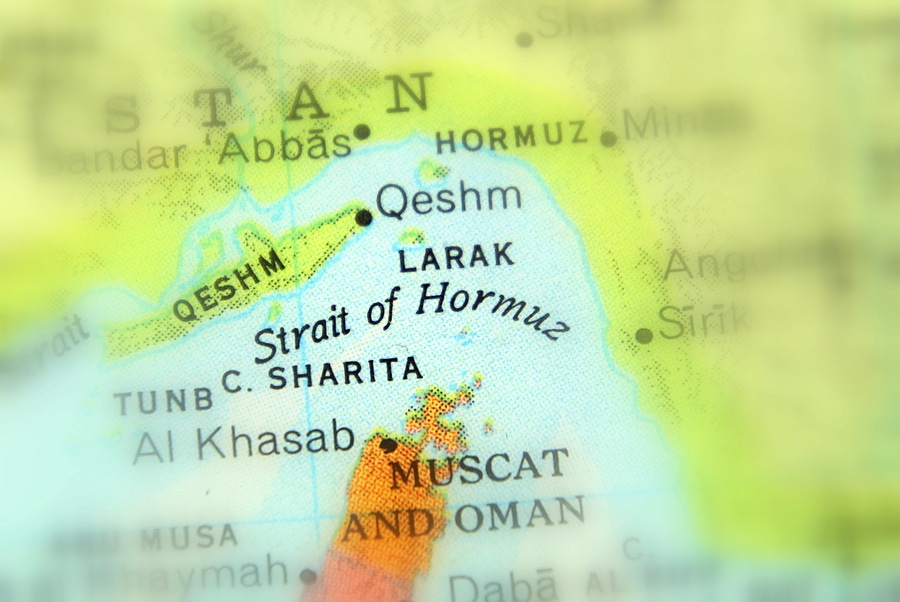
The recent surge in tanker traffic amid escalating tensions between the U.S. and Iran has drawn significant attention, particularly following Iran’s claims of closing its waterways to enforce maritime restrictions. The U.S. has firmly denied these assertions, stating that navigation remains open and safe in critical areas such as the Strait of Hormuz. This denial comes at a time when the geopolitical climate in the region is precarious, with the potential for disruptions impacting global oil supplies.
Diplomatic efforts are strained as both countries navigate heightened rhetoric and military posturing. The U.S. is closely monitoring Iranian activities, emphasizing its commitment to ensuring free passage for commercial vessels. Despite Iran’s threats, tanker traffic has seen an uptick, suggesting that shipping operators remain confident in their routes and the U.S. ability to maintain security.
The situation exemplifies the complex interplay between military readiness and diplomatic negotiations. While both nations engage in a war of words, the international community remains vigilant, recognizing the implications of any miscalculation. The energy market is particularly sensitive to these developments, indicating that the potential for conflict or sanction could spur volatility. Ultimately, the U.S.’s denial of Iran’s closure claims reflects a broader strategy to maintain stability and reassure global trading partners.
For more details and the full reference, visit the source link below: