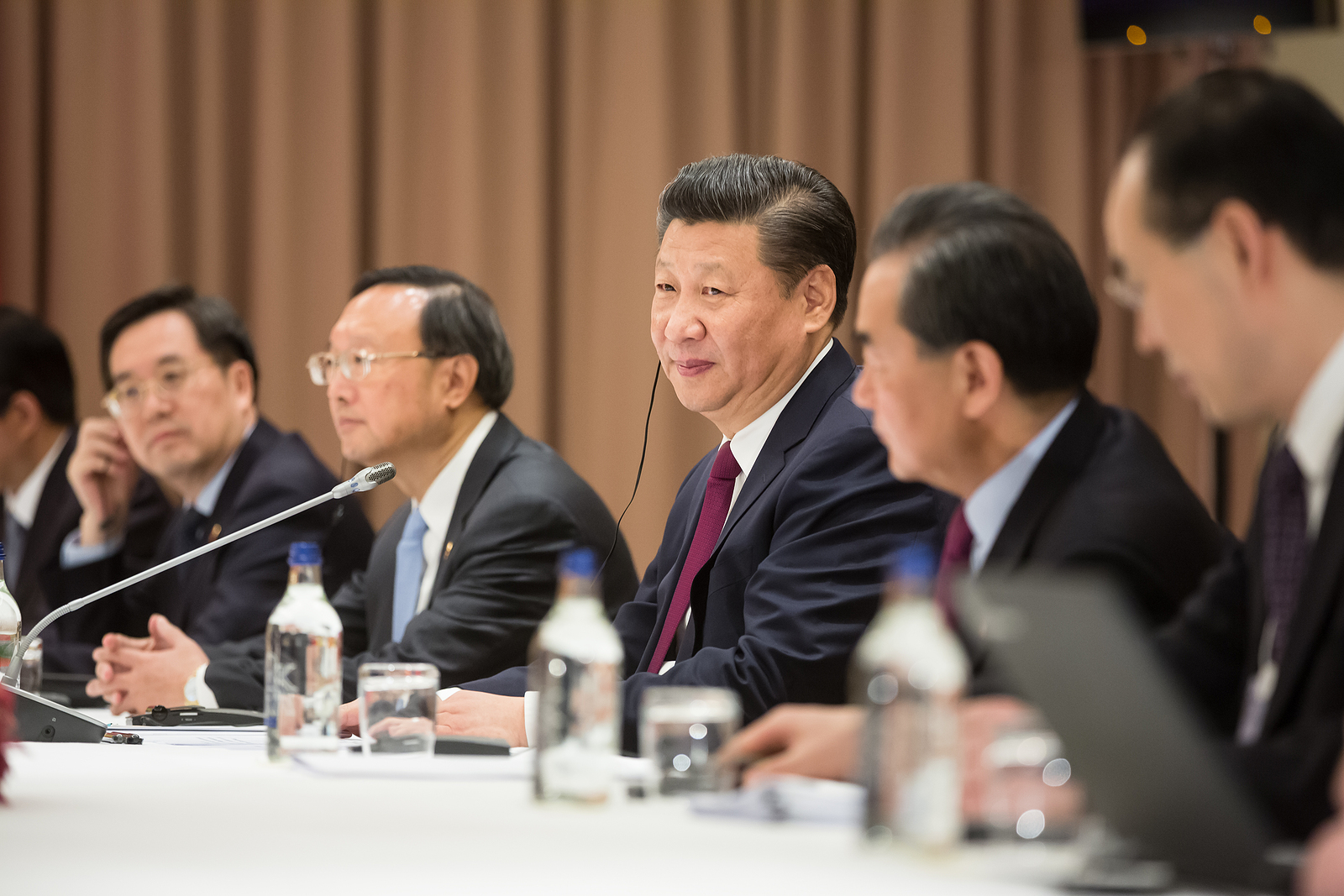
China’s most powerful modern leader is undoubtedly Xi Jinping, who became General Secretary of the Communist Party of China in 2012. Under Xi’s leadership, China has taken a more assertive global stance, promoting the Belt and Road Initiative, which aims to enhance global trade infrastructure. His governance is characterized by a consolidation of power and a shift towards a more centralized political structure. Xi has also prioritized anti-corruption campaigns, targeting high-ranking officials and promoting a narrative of moral governance.
Economically, Xi advocates for “socialism with Chinese characteristics” and has emphasized innovation and technological advancement as crucial for national revitalization. This strategy aims to transition China from a manufacturing-based economy to a more innovation-driven model.
On the international stage, Xi has navigated complex relationships with Western powers, often facing criticism for human rights issues, particularly concerning Hong Kong and Xinjiang. Despite this, his regime continues to strengthen national pride and bolster China’s global influence.
Domestically, Xi has implemented policies aimed at fostering economic equality while suppressing dissent, resulting in a highly controlled society. His leadership style marks a significant departure from the collective leadership model established by previous leaders, shaping China’s trajectory in the 21st century.
For more details and the full reference, visit the source link below: