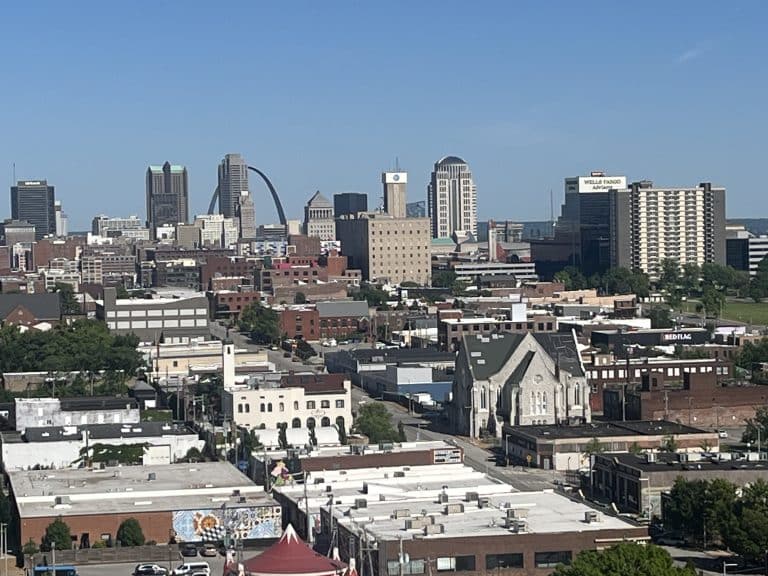
Bureaucracy, vice, and negligence are intertwining forces contributing to the decline of St. Louis, a once-thriving city. Bureaucracy often manifests in red tape and inefficiencies that hinder effective governance. Lengthy approval processes for development projects stymie economic progress, leaving neighborhoods neglected and businesses disillusioned.
Simultaneously, vice, including crime and corruption, erodes community trust. As crime rates rise and neighborhoods struggle with gang violence, residents flee, leading to urban decay. The city’s image deteriorates, discouraging new investments and perpetuating a vicious cycle of decline.
Moreover, negligence by public officials exacerbates these issues. Poor infrastructure maintenance, such as crumbling roads and neglected public spaces, signals to residents that their wellbeing is not a priority. Critical services, like public transportation and sanitation, become unreliable, diminishing the quality of life.
These factors collectively create an environment where hope wanes, and investment diminishes. As St. Louis grapples with its identity and seeks revitalization, addressing the systemic issues of bureaucracy, vice, and negligence is vital. A concerted effort to streamline processes, combat crime, and prioritize public services can help restore faith in the city’s future, providing a foundation for renewal and growth.
For more details and the full reference, visit the source link below: