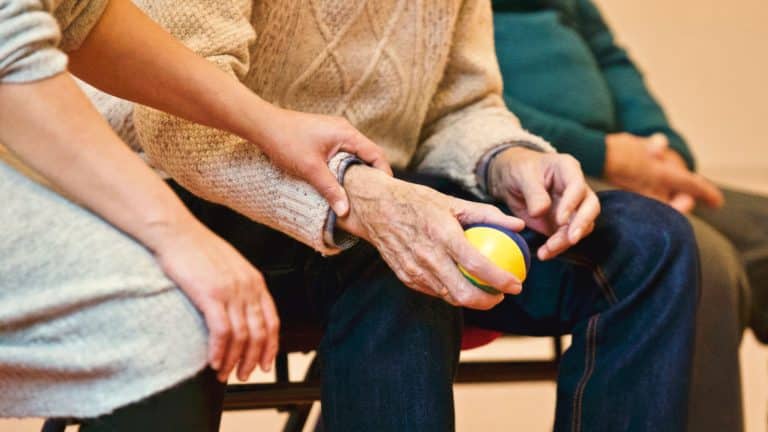
Nurses play a vital role in supporting both the emotional and physical health of older adults. Physically, they monitor vital signs, manage medications, and implement care plans tailored to each individual’s health needs. By conducting regular assessments, nurses can identify potential issues before they escalate, ensuring timely interventions. Their expertise in geriatric care allows them to promote mobility and assist with rehabilitation, encouraging older adults to maintain independence and improve their quality of life.
Emotionally, nurses provide essential support by fostering a compassionate environment that promotes open communication. They are often the first line of contact for addressing feelings of loneliness, anxiety, or depression that many older adults may experience. By actively listening and engaging in meaningful conversations, nurses help patients express their concerns and feelings, which contributes to emotional well-being.
Moreover, nurses often involve family members in care discussions, ensuring a holistic approach that respects the wishes and preferences of older adults. Educating families about the aging process and available resources also eases emotional burdens. Overall, the dual focus on emotional and physical health makes nurses indispensable in the care of older adults, enhancing their overall well-being and ensuring they feel valued and supported.
For more details and the full reference, visit the source link below: