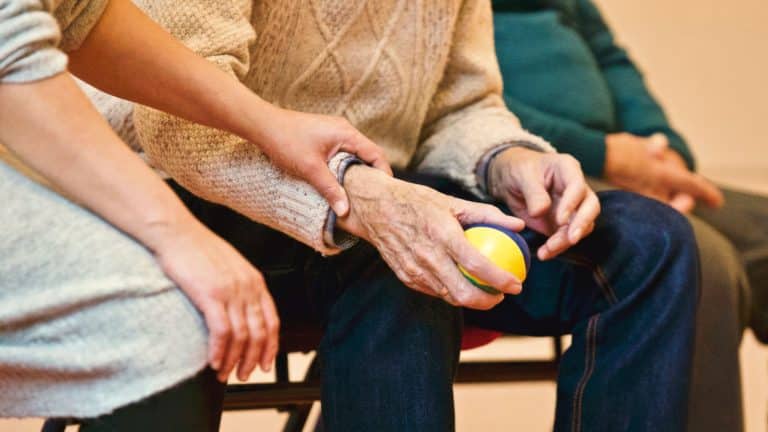
Nurses play a pivotal role in supporting both the emotional and physical health of older adults. They serve as advocates, caregivers, and compassionate listeners, ensuring that the specific needs of elderly patients are met holistically.
Emotionally, nurses provide a comforting presence, helping to combat feelings of loneliness and depression that often accompany aging. They engage in meaningful conversations, offering empathy and understanding, which helps boost the mental well-being of older adults. By fostering a supportive environment, nurses encourage patients to express their feelings and concerns, further enhancing emotional stability.
Physically, nurses are instrumental in monitoring health conditions common in older adults, such as chronic illnesses and mobility issues. They administer medications, manage treatments, and educate patients about healthy lifestyle choices, which are critical for maintaining overall health. By advocating for patient needs within the healthcare system, nurses ensure that older adults receive timely and appropriate care.
Additionally, they collaborate with families to provide guidance and support, educating them on how best to assist their loved ones. Through this multifaceted approach, nurses not only enhance the quality of life for older adults but also empower them to engage actively in their own health journeys, fostering a sense of independence and dignity.
For more details and the full reference, visit the source link below: