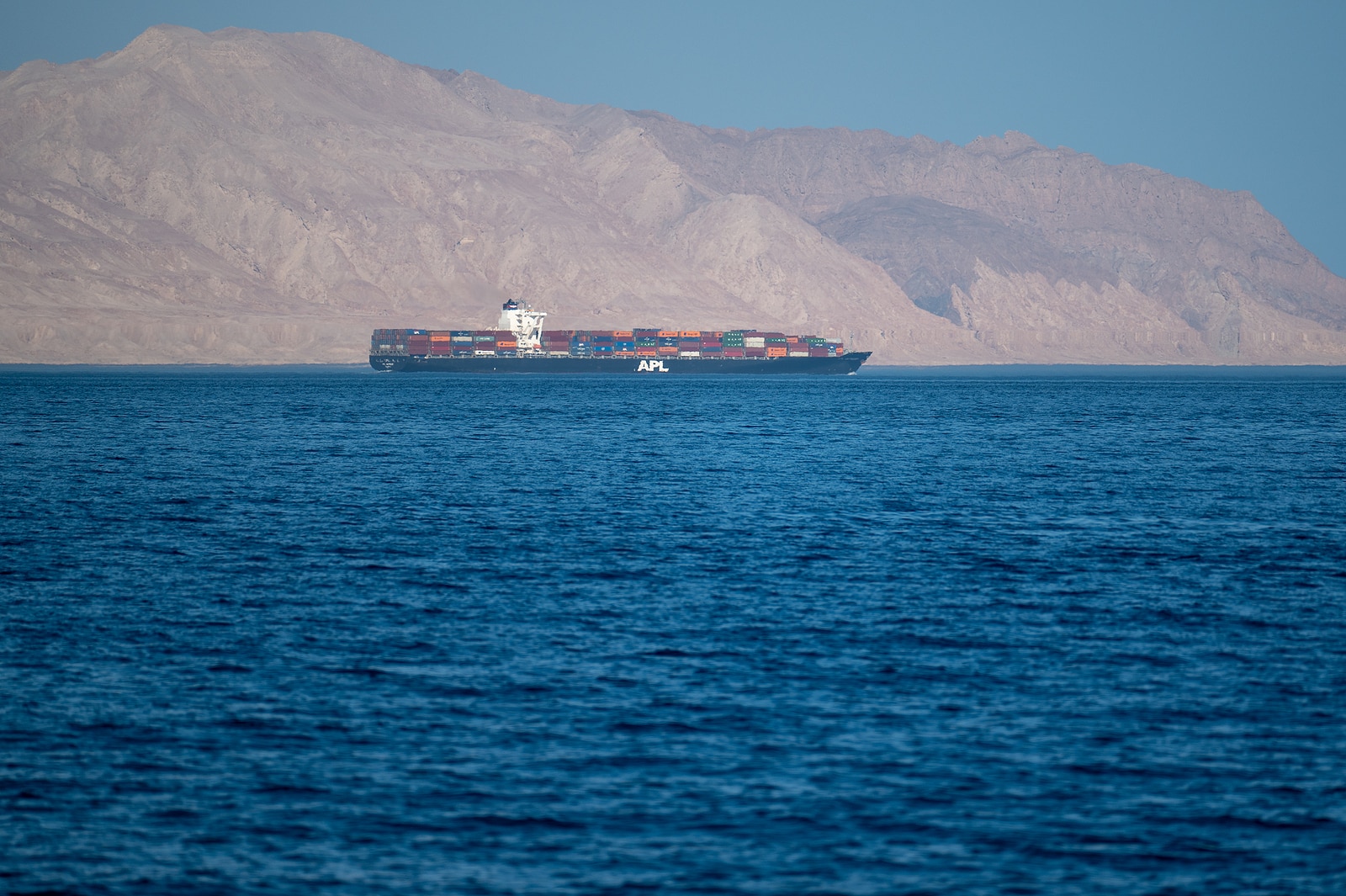
Iran’s recent actions in the Strait of Hormuz have raised significant tensions, particularly in the context of the Islamabad Agreement, a crucial regional accord aimed at ensuring safe maritime passage. Reports indicate that Iran has been turning back oil tankers seeking to transit through the northern strait lanes, contravening commitments made under the agreement.
This maneuver underscores Iran’s growing assertiveness in the strategically vital waterway, which is essential for global oil transportation. By forcing tankers back, Iran not only flaunts its maritime claims but also sends a stark message about its willingness to challenge international norms and agreements. Such actions risk escalating conflicts, particularly with nations that heavily rely on these shipping lanes for energy supplies.
The implications extend beyond regional stability, affecting global oil prices and trade dynamics. As the world’s eyes remain fixed on the ongoing maneuvers, Iran’s defiance could provoke a stronger response from both regional neighbors and international powers seeking to uphold maritime security.
These developments necessitate urgent diplomatic engagement to defuse tensions and reaffirm commitments to safe passage in one of the world’s most critical waterways. The international community must navigate these challenges carefully to prevent further escalation and ensure stability in the region.
For more details and the full reference, visit the source link below:
Read the complete article here: https://www.stl.news/iran-defies-islamabad-agreement-forces-tankers/