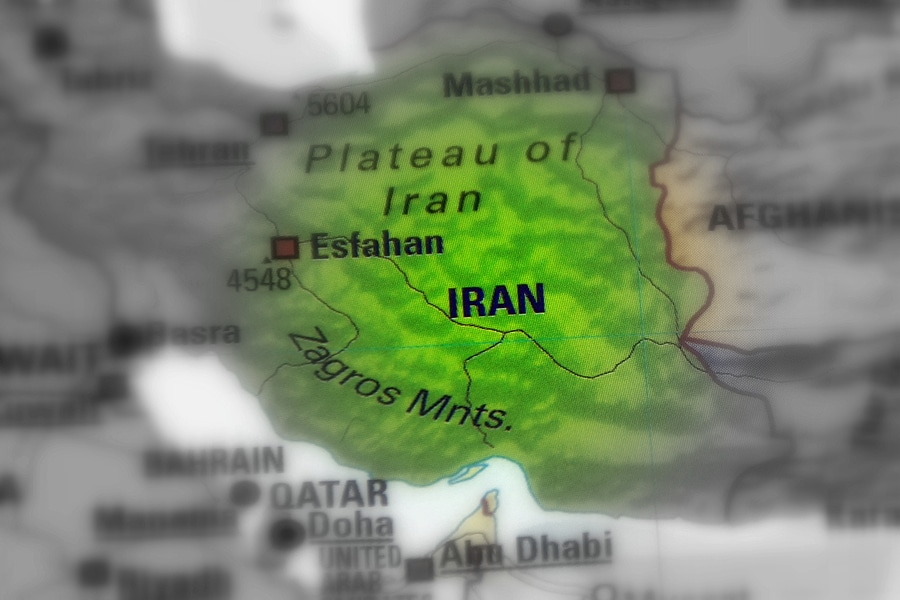
The Islamabad Memorandum, aimed at fostering regional cooperation and security, is now facing its first significant challenge amid escalating tensions in the Middle East. With the recent passing of Iranian Supreme Leader Ali Khamenei, the geopolitical landscape has shifted dramatically. His funeral could serve as a flashpoint for instability, increasing anxiety among neighboring nations as power dynamics in Iran potentially shift.
At the same time, the standoff in the Strait of Hormuz remains a critical concern. This strategic waterway, through which a significant portion of the world’s oil supply is transported, has become a focal point of military presence and diplomatic maneuvering. The intersection of these two events poses a formidable test for the Islamabad Memorandum, which aims to encourage dialogue and peaceful conflict resolution among involved parties.
As countries reassess their strategies in light of Khamenei’s death and the ongoing tensions in the Strait, the effectiveness of the Islamabad Memorandum will be measured by its ability to achieve consensus and prevent escalation. The cooperation envisaged in the memorandum will be essential for mitigating risks in this volatile period, as regional players navigate the uncertainties following Khamenei’s legacy and the precarious situation in one of the world’s most crucial maritime corridors.
For more details and the full reference, visit the source link below:
Read the complete article here: https://www.stl.news/islamabad-memorandum-khamenei-funeral/