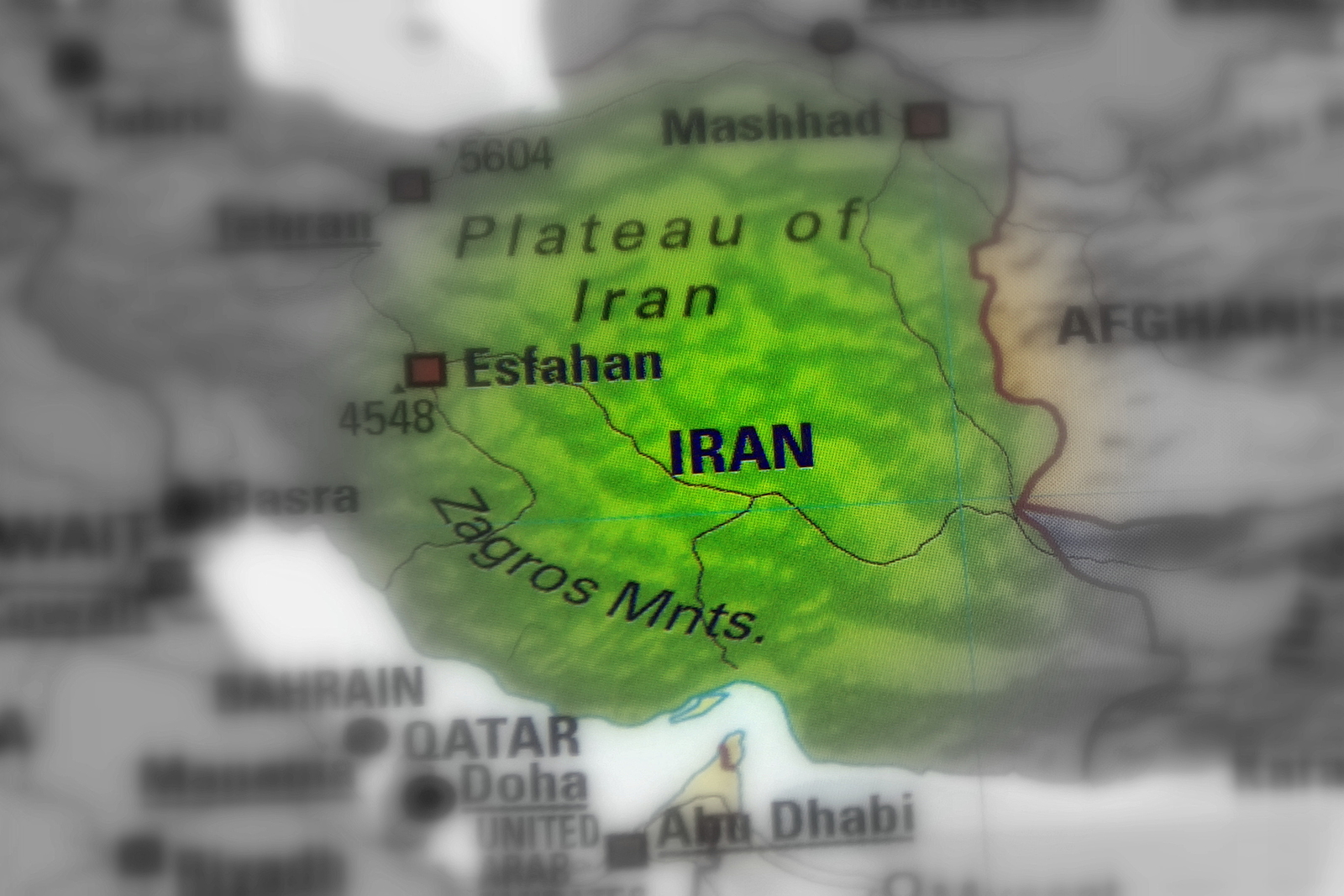
Tensions in the Strait of Hormuz have escalated significantly, as recent developments highlight the fragility of a ceasefire that was intended to stabilize the region. This narrow passage, crucial for global oil shipments, has become a flashpoint for geopolitical rivalries involving Iran, the U.S., and regional allies. Recently, reports of provocations, including naval confrontations and aerial reconnaissance, have heightened fears of a potential conflict that could disrupt not only regional stability but also international energy markets.
The ceasefire, brokered amid escalating hostilities, remains precarious. Sporadic incidents, such as the seizure of vessels and military exercises, challenge the fragile agreement. Iran’s assertive posture in the region, fueled by a desire to assert its influence and deter U.S. intervention, complicates diplomatic solutions. Meanwhile, the U.S. has reinforced its naval presence, signaling a commitment to safeguarding maritime routes vital for oil transport.
The ongoing tensions underscore the importance of renewed diplomatic efforts to prevent further escalation. As nations closely monitor developments, stakeholders are left to navigate a complex landscape marked by mistrust, economic implications, and the specter of armed conflict. The stakes are high, making stability in the Strait of Hormuz a critical priority for global security and economic stability.
For more details and the full reference, visit the source link below: