Donald Trump’s energy policies played a pivotal role in increasing U.S. oil production, reaching record highs during his administration. By promoting deregulation, reducing restrictions on drilling, and encouraging the use of domestic resources, Trump’s approach aimed to bolster the American energy sector. His administration opened up federal lands and waters for exploration, prioritizing energy independence and economic growth.
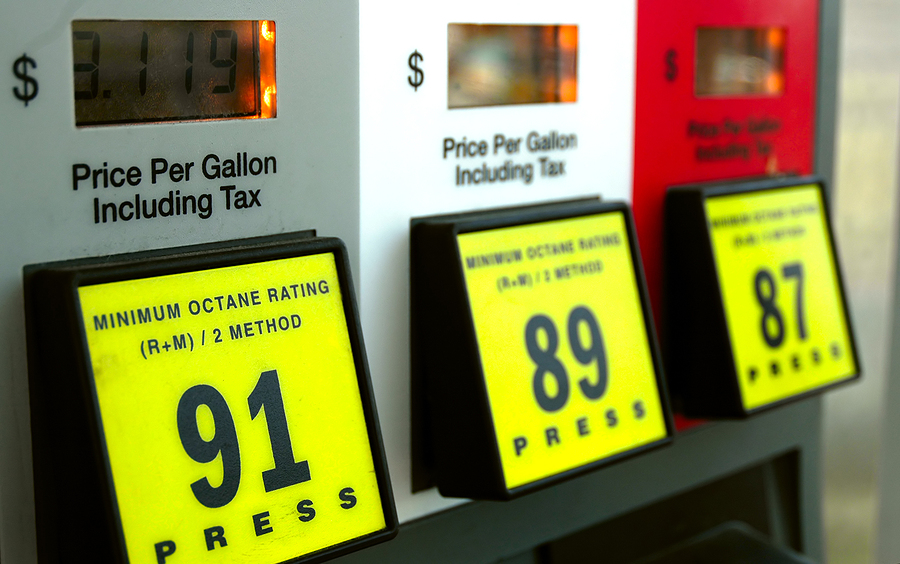
Simultaneously, global events significantly impacted fuel prices. Geopolitical tensions, such as conflicts in oil-producing regions and OPEC’s production decisions, contributed to fluctuations in global oil supply. These factors, combined with heightened demand as economies recovered from the pandemic, kept prices elevated, even as domestic production surged.
Trump’s policies not only aimed to reduce dependency on foreign oil but also sought to position the U.S. as a leading energy exporter. The record production levels during his tenure showcased the effectiveness of these strategies, allowing the U.S. to influence global markets.
Critics argue that while Trump’s policies increased production, they also had environmental repercussions, raising concerns over climate change and fossil fuel reliance. As fuel prices remain high amidst ongoing global uncertainty, the interplay between policy and market dynamics continues to shape the landscape of energy in the United States. Balancing energy independence with environmental considerations remains a significant challenge.
For more details and the full reference, visit the source link below: