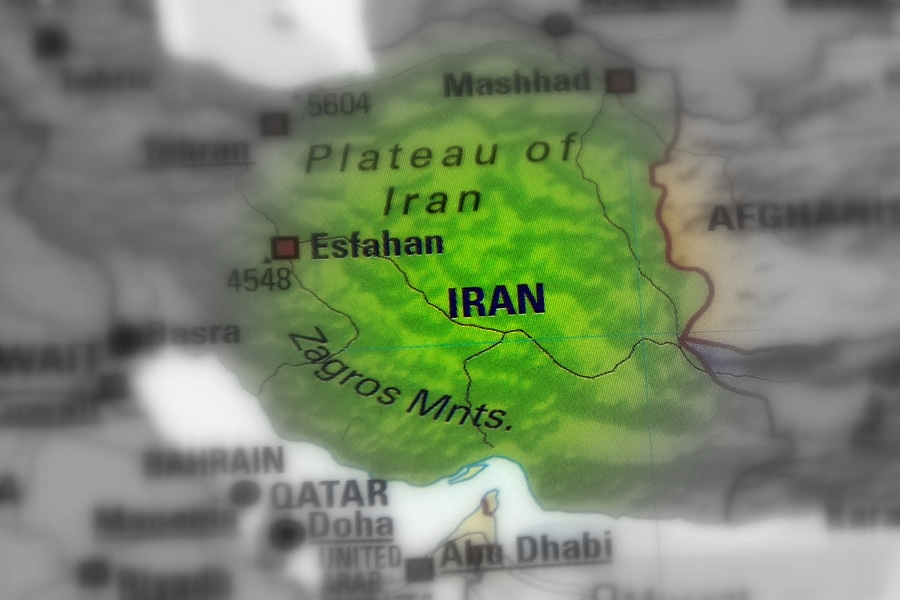
US-Iran negotiations have reached a pivotal juncture as both nations strive to establish a framework agreement that could reshape their diplomatic landscape. The discussions, initially centered around the Iran nuclear deal, have expanded to encompass broader regional security concerns, including military developments and Iran’s influence in the Middle East.
The Biden administration’s approach emphasizes re-engagement and diplomacy, aiming to reinstate the terms of the Joint Comprehensive Plan of Action (JCPOA) while addressing Iran’s ballistic missile program and its support for proxy groups. Conversely, Iran seeks relief from sanctions that have severely impacted its economy, insisting on guarantees against future withdrawals from the agreement.
International stakeholders, including the EU and regional powers, are closely monitoring the developments, understanding that a successful negotiation could stabilize a volatile region and reduce the threat of military confrontation. The potential framework could not only facilitate Iran’s economic reintegration into the global market but also mitigate terrorist activities by addressing security concerns holistically.
Yet, challenges loom, including domestic pressures on both sides and differing interpretations of what a comprehensive agreement entails. As the world watches, the outcome of these negotiations could mark a significant turning point in US-Iran relations, with implications for global diplomacy and security.
For more details and the full reference, visit the source link below: